



Enterprise IT leaders are under constant pressure to deliver greater performance, stronger security, and lower operational costs, all while supporting AI workloads, hybrid cloud environments, and evolving compliance mandates.
Yet many organizations still operate legacy infrastructure that wasn’t designed for today’s demands.
Data center modernization is no longer optional. It’s a strategic imperative.
What Is Data Center Modernization?
Data center modernization involves transforming legacy IT infrastructure into a scalable, automated, secure, and cloud-integrated environment.
It typically includes:
- Infrastructure refresh (compute, storage, networking)
- Virtualization and containerization
- Software-defined data center (SDDC) adoption
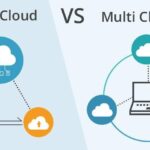
- Hybrid cloud integration
- Automation and AI-driven monitoring
- Enhanced cybersecurity architecture
Modernization doesn’t always mean building a new facility. It often means optimizing what you already have while strategically integrating cloud capabilities.
Why Modernization Is Urgent Now
Several forces are accelerating the need for modernization:
AI & High-Performance Workloads
Generative AI and analytics demand higher compute density and optimized storage.
Security & Compliance
Federal and enterprise mandates require stronger data protection, Zero Trust frameworks, and real-time threat detection.
Cost Pressures
Rising energy costs and inefficient hardware significantly increase operational expenditure (OpEx).
Hybrid & Multi-Cloud Adoption
Organizations need seamless integration between on-prem infrastructure and cloud platforms.
Best Practices for Data Center Modernization
1. Conduct a Comprehensive Infrastructure Assessment
Before making investments:
- Audit hardware lifecycle status
- Identify performance bottlenecks
- Assess workload placement efficiency
- Evaluate energy consumption metrics
A modernization roadmap should be data-driven, not vendor-driven.
2. Adopt a Software-Defined Architecture
Moving toward a Software-Defined Data Center (SDDC) enables:
- Centralized management
- Automated provisioning
- Improved resource utilization
- Reduced manual configuration errors
This creates flexibility and scalability without constant hardware dependency.
3. Enable Hybrid Cloud Integration
Rather than shifting everything to the cloud, successful enterprises:
- Classify workloads (mission-critical, regulated, burstable)
- Keep sensitive workloads on-prem
- Move elastic workloads to public cloud
- Use orchestration tools for seamless workload mobility
This balanced approach maximizes agility while controlling costs.
4. Prioritize Automation & AIOps
Automation reduces operational overhead.
Implement:
- Automated patching and updates
- AI-driven performance monitoring
- Predictive failure detection
- Self-healing infrastructure systems
This reduces downtime and improves SLA compliance.
5. Strengthen Security by Design
Modernization must embed security at every layer:
- Zero Trust network segmentation
- Identity-first access controls
- Encryption at rest and in transit
- Continuous compliance monitoring
Security retrofits are costly. Secure-by-design architecture is more efficient long term.
6. Optimize Power & Cooling Efficiency
Energy consumption is one of the largest cost drivers in data centers.
Modern strategies include:
- Hot aisle / cold aisle containment
- Liquid cooling for high-density workloads
- Energy-efficient UPS systems
- Real-time environmental monitoring
Improved Power Usage Effectiveness (PUE) directly lowers operational costs.
The Cost Benefits of Data Center Modernization
Modernization isn’t just a technology upgrade, it’s a financial strategy.
1. Lower Operational Costs
- Reduced power consumption
- Decreased hardware maintenance
- Lower staffing needs through automation
2. Extended Infrastructure Lifespan
Virtualization and optimized resource allocation reduce the need for constant hardware refresh cycles.
3. Reduced Downtime
Predictive analytics and automated monitoring decrease costly outages.
4. Improved Resource Utilization
Modernized environments can increase server utilization from 20–30% to 60–80%, significantly improving ROI.
5. Faster Time to Deployment
Provisioning new workloads can shift from weeks to minutes.
ROI: What Leaders Should Measure
To evaluate modernization success, track:
- Power Usage Effectiveness (PUE)
- Infrastructure utilization rates
- Downtime frequency
- Mean Time to Recovery (MTTR)
- Cost per workload
- Security incident reduction
Modernization should show measurable improvements within 12–24 months when executed strategically.
A Phased Modernization Approach
Enterprises see the best results when modernization is phased:
Phase 1: Assessment & Roadmap Development
Phase 2: Infrastructure & Virtualization Upgrade
Phase 3: Automation & Hybrid Integration
Phase 4: Optimization & Continuous Improvement
A phased model reduces disruption and ensures budget alignment.
Final Thoughts: Modernization as a Competitive Advantage
Data center modernization is not just about upgrading servers — it’s about enabling:
- Faster innovation
- AI readiness
- Improved security posture
- Sustainable cost structures
- Future scalability
Organizations that proactively modernize their data centers position themselves for resilience, efficiency, and long-term growth.