




As enterprises step into 2026, technology is no longer just an enabler, it’s a decisive business differentiator. Rapid advancements in AI, cloud, cybersecurity, and infrastructure are reshaping how organizations operate, compete, and scale. For enterprise leaders, the challenge isn’t just adopting new technologies, but adopting the right ones with clarity, purpose, and long-term vision.
Here’s a comprehensive look at the key IT trends defining 2026 and what enterprises should be preparing for now.
1. AI Moves from Experimentation to Enterprise Core
By 2026, Artificial Intelligence, especially Generative AI, has shifted from pilot projects to core enterprise workflows. Organizations are embedding AI into:
- IT operations (AIOps)
- Customer support and service desks
- Software development and testing
- Decision intelligence and forecasting
What’s changing:
Enterprises are now focusing on AI governance, data quality, and ethical frameworks to ensure AI is reliable, secure, and compliant.
What enterprises should do:
Build AI-ready infrastructure, invest in clean and well-governed data, and define clear AI usage policies across the organization.
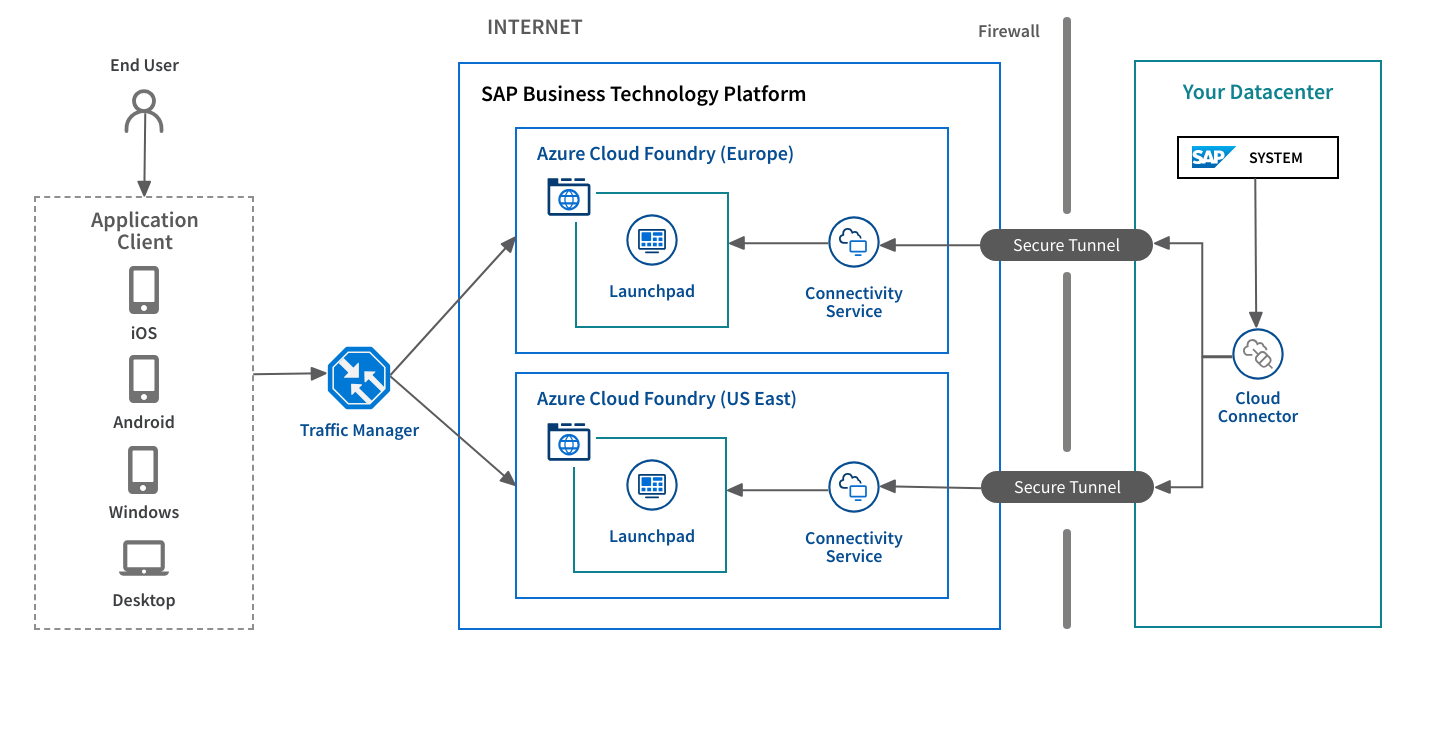
2. Hybrid and Multi-Cloud Become the Default
The “one-cloud-fits-all” approach is officially outdated. Enterprises are increasingly adopting hybrid and multi-cloud strategies to balance performance, cost, security, and regulatory requirements.
Key drivers include:
- Data residency and compliance needs
- Workload-specific performance optimization
- Avoiding vendor lock-in
- Business continuity and resilience
What enterprises should do:
Adopt unified cloud management, focus on interoperability, and strengthen cloud cost governance (FinOps).
3. Cybersecurity Shifts to Zero-Trust by Design
With rising cyber threats, remote workforces, and distributed systems, perimeter-based security models are no longer effective. In 2026, Zero Trust Architecture (ZTA) is becoming a standard, not an option.
Core principles include:
- Never trust, always verify
- Continuous authentication and authorization
- Least-privilege access
- Identity-centric security
What enterprises should do:
Re-architect security around identity, endpoint visibility, and continuous monitoring rather than relying solely on network defenses.
4. Edge Computing Gains Enterprise Momentum
As data generation explodes at the edge, through IoT devices, smart infrastructure, and real-time systems, processing data closer to the source is becoming critical.
Edge computing enables:
- Ultra-low latency processing
- Reduced bandwidth and cloud costs
- Real-time decision-making
- Improved reliability in remote or disconnected environments
What enterprises should do:
Identify workloads that benefit from edge processing and design architectures that integrate edge seamlessly with core cloud and data center systems.
5. Automation Redefines IT Operations
Manual IT operations are being replaced by intelligent automation. Enterprises are leveraging automation for:
- Infrastructure provisioning
- Incident detection and resolution
- Patch management
- Service orchestration
Combined with AI, automation is driving faster resolution times, reduced downtime, and lower operational costs.
What enterprises should do:
Standardize processes, invest in automation platforms, and upskill IT teams to manage and optimize automated environments.
6. Enterprise Architecture Becomes Business-Critical
In 2026, enterprise architecture (EA) is no longer just documentation, it’s a strategic function that aligns technology investments with business outcomes.
Strong EA helps enterprises:
- Reduce technology sprawl
- Improve scalability and agility
- Make informed investment decisions
- Manage legacy modernization effectively
What enterprises should do:
Treat enterprise architecture as a continuous discipline, closely aligned with leadership, strategy, and governance.
7. Sustainability and Green IT Take Center Stage
Environmental responsibility is becoming a board-level priority. Enterprises are under pressure to reduce carbon footprints across IT operations, including:
- Energy-efficient data centers
- Cloud sustainability reporting
- Optimized workloads
- Hardware lifecycle management
What enterprises should do:
Measure IT energy consumption, select sustainable vendors, and integrate sustainability goals into IT strategy.
8. Skills Transformation Becomes as Important as Technology
Technology adoption is only as strong as the people behind it. In 2026, enterprises are investing heavily in:
- Cloud-native skills
- AI and data literacy
- Cybersecurity expertise
- Cross-functional tech leadership
What enterprises should do:
Focus on continuous learning, reskilling programs, and partnerships that bridge skill gaps faster.
Looking Ahead
The IT landscape in 2026 is defined by integration, intelligence, and intent. Enterprises that succeed will be those that:
- Align technology with business strategy
- Invest in scalable, secure architectures
- Embrace change while managing risk
- Build ecosystems, not silos
Emerging technologies are not just shaping the future of IT, they’re shaping the future of enterprise growth, resilience, and relevance.